Şapinuva (Ortaköy) Archaeological Excavation Project
ORTAKÖY–ŞAPİNUVA EXCAVATION
LOCATION OF THE EXCAVATION
Province: ÇORUM
District: ORTAKÖY
Excavation House Tel. & Fax: +90 364 491 41 11
EXCAVATION DIRECTOR
First Name: ÖNDER
Surname: İPEK
Institution: HITIT UNIVERSITY, FACULTY OF HUMANITIES AND SOCIAL SCIENCES, DEPARTMENT OF ARCHAEOLOGY
ORTAKÖY–ŞAPİNUVA EXCAVATIONS
The Hittite city of Ortaköy was discovered as part of survey project work conducted with the permission of the Ministry of Culture and Tourism under the direction of Prof. Dr. Aygül Süel and Dr. Mustafa Süel. Excavations at this archaeological site began in 1990 as rescue excavations under the scientific direction of Prof. Dr. Aygül Süel. Between 1992 and 2018, the excavations were carried out on behalf of Ankara University by a scientific team under the direction of Prof. Dr. Aygül Süel and Dr. Mustafa Süel, with the permission of the Ministry of Culture and Tourism. Since 2019, excavation work has been conducted on behalf of Hitit University by a scientific team under the direction of Prof. Dr. Aygül Süel, with the permission of the Ministry of Culture and Tourism.
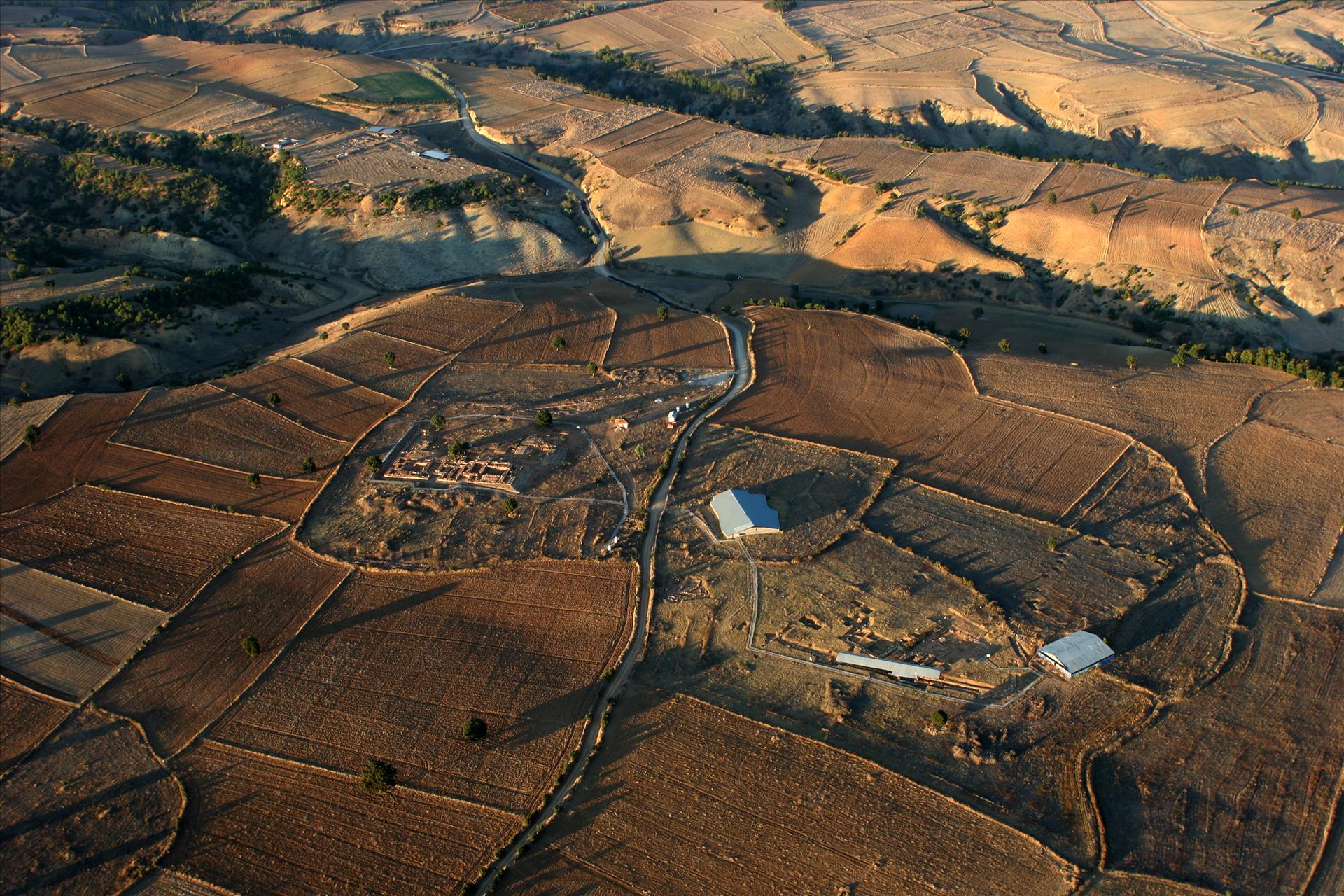
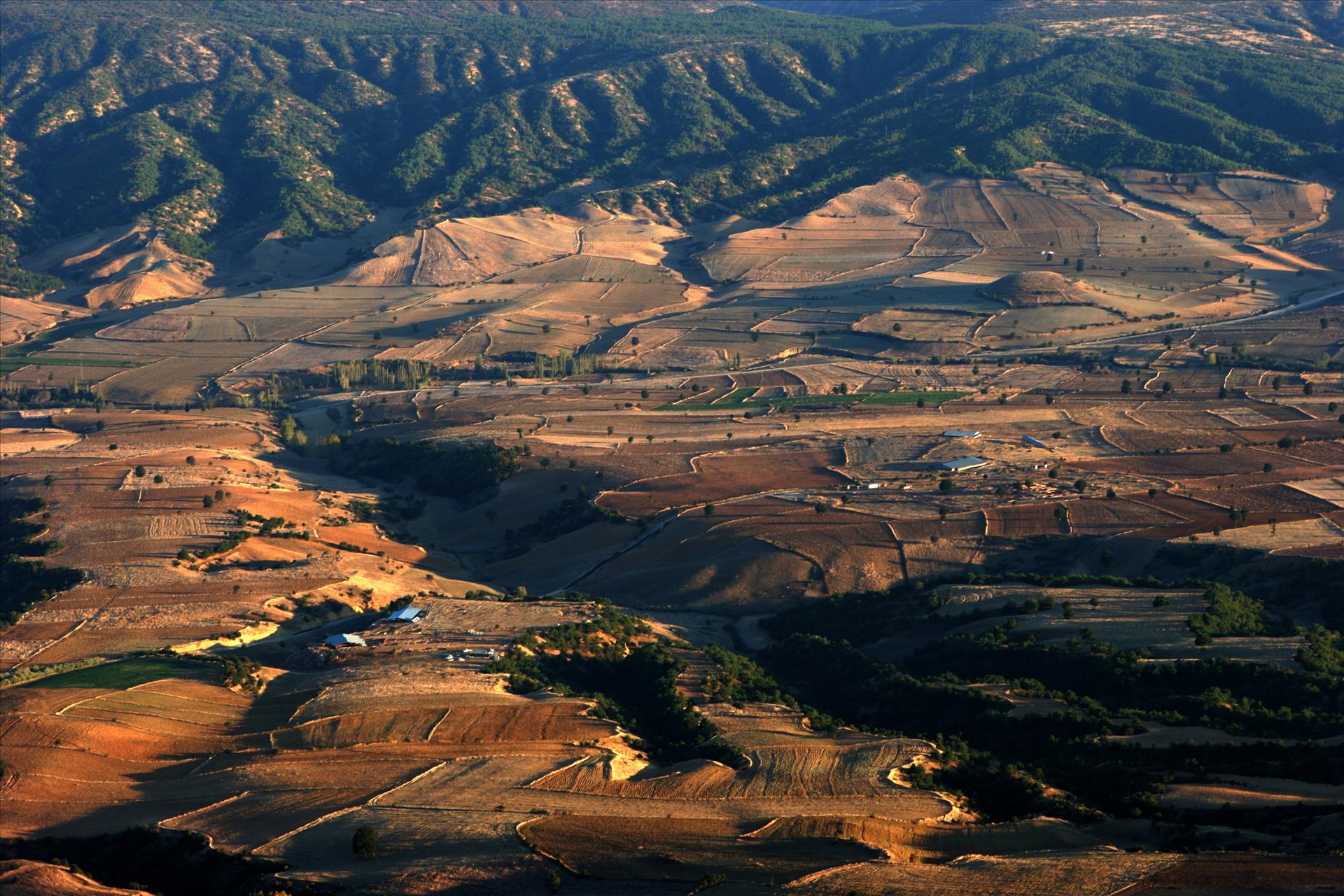
The Hittite city of Ortaköy is located 3 km southwest of the centre of Ortaköy District, which lies 53 km southeast of the city centre of Çorum.
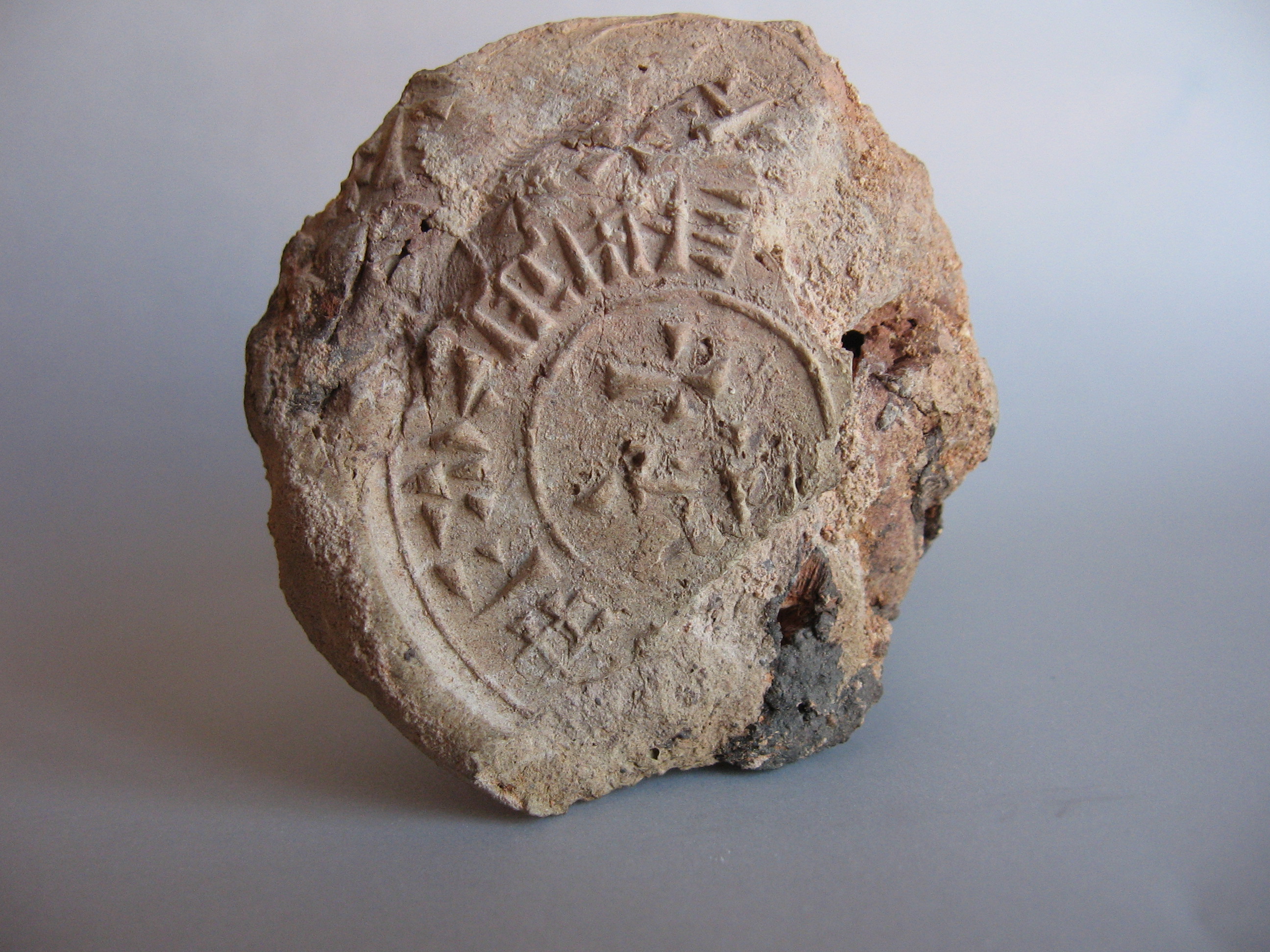
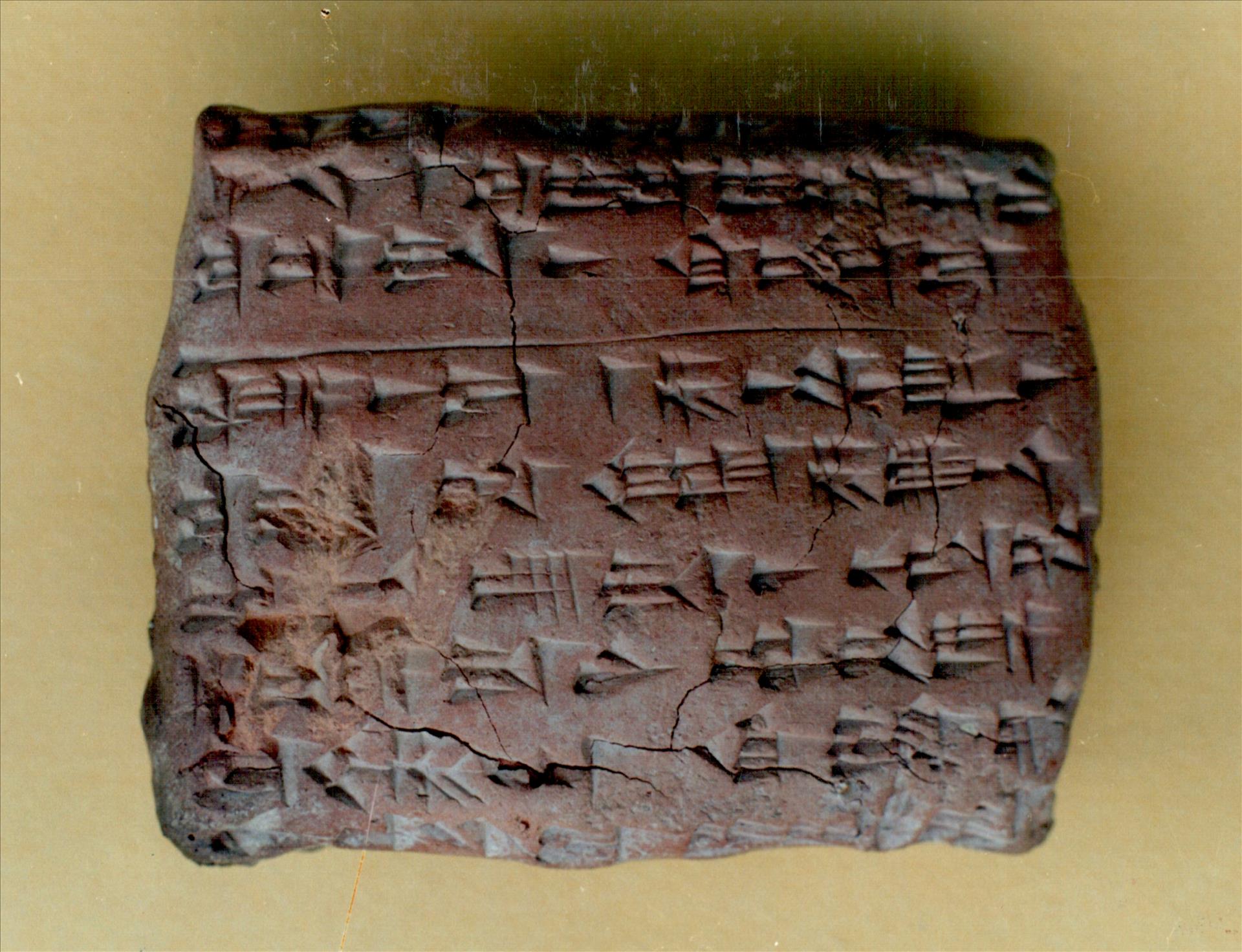
We have established that the city’s ancient name was Şapinuva. It was another capital of the Hittite state. Following Boğazköy, the Ortaköy Archive is the second-largest cuneiform archive from the Hittite period discovered in Anatolia. More than four thousand tablets and tablet fragments have been recovered, written in various languages including Hittite, Hurrian, Hattian and Akkadian. The tablets, which deal with various subjects such as administration, religion and divination, belong to a royal archive.
At the beginning of the 14th century BC, Great King Tuthaliya II and Queen Taduhepa ruled at Şapinuva. Documents show that the city of Şapinuva was also used by Great King Muršili II in the 13th century BC. This indicates that the Hittite city, whose territory extended across a broad region and included the surrounding administrative centres, was inhabited for a long period and not only during the Middle Hittite period.
The Hittite city of Ortaköy is situated on a plateau that slopes from northwest to southeast. When the Hittites arrived in this region, they did not settle in the existing villages; instead, they terraced and levelled the land to establish this large city. The upper terraces appear to have contained mainly administrative buildings. The city extends towards hills to the west. Extensive architectural traces that may belong to religious and military buildings have also been found on these hills.
The east–west trade route running along the Kelkit–Yeşilırmak valley passed in front of this city on its way to Central Anatolia. Situated at a very important point along this busy route, which supported economic activity, the Hittite city of Şapinuva acquired considerable commercial significance.
Şapinuva was an important religious centre where purification rituals, which held a special place in the Hittite world, were recorded. This gave Şapinuva the identity of a sacred, important and indispensable religious city.
Excavations carried out in Ortaköy to date have revealed and introduced to the scholarly community many buildings with administrative, commercial and religious functions. The monumental structures unearthed are being protected. Geophysical surveys are being conducted in this large city to determine its extent.
Excavations have so far been conducted in two separate areas.
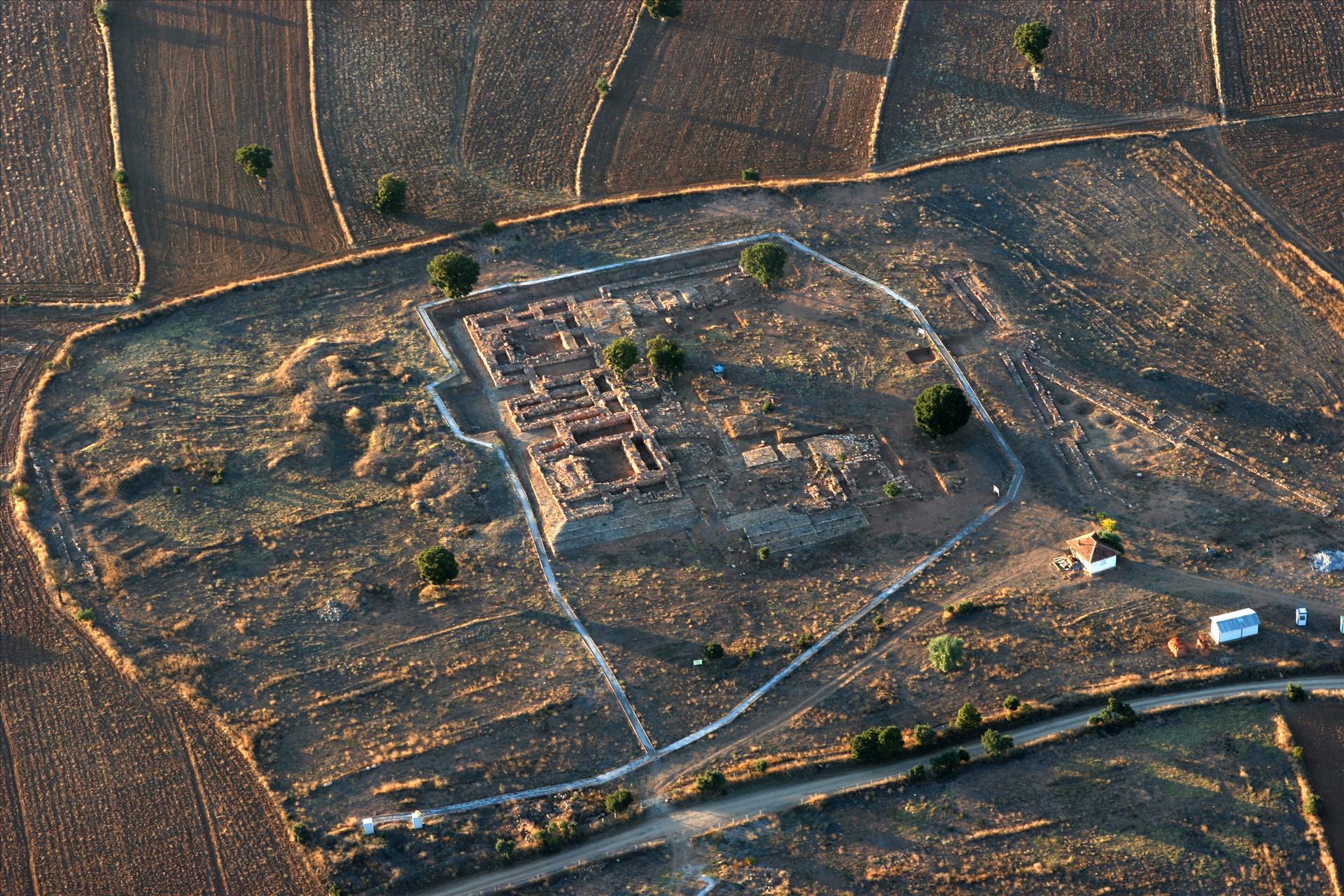
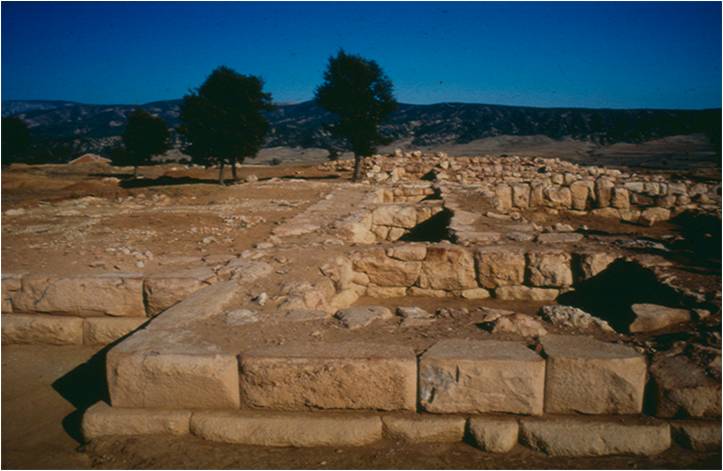
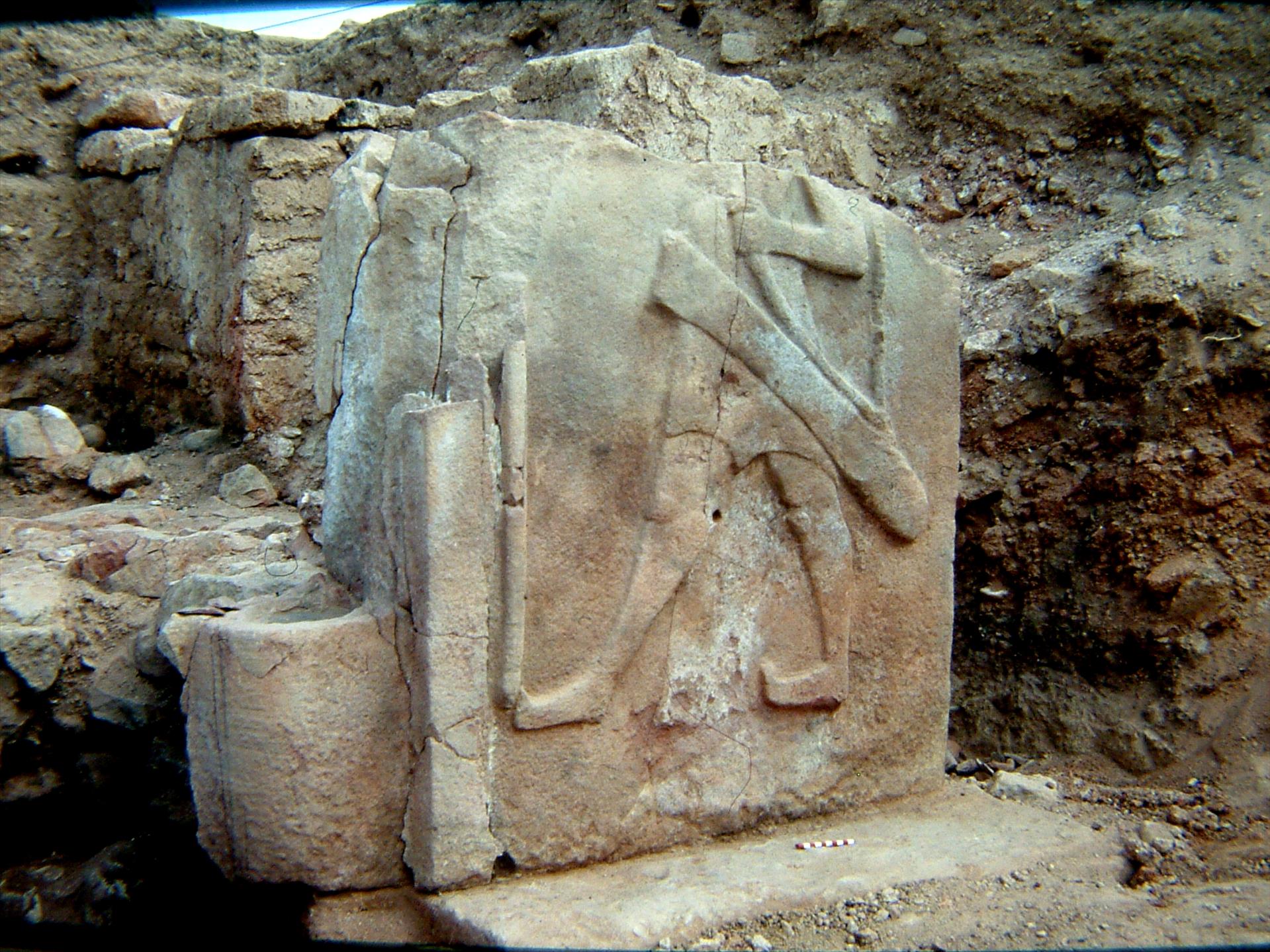
In the Tepelerarası area, large blocks of limestone and sandstone were used in the foundations of Building A, which stands at one of the city’s most commanding points. One of the richest tablet archives from the Hittite period was uncovered in this building, containing approximately 3,500 tablets. An area of approximately 5,000 dönüms around Building A has been excavated to date. Enclosure walls have been identified to the north and south of the building. Recent excavations indicate that Building A formed part of a large complex. Ongoing work is uncovering other structures and roads associated with this building. In Building B, which covers an area of 1,200 m², adobe walls 110 cm wide rise above the foundation walls, and plaster 3–4 cm thick has been found on these adobe walls. The building also contains numerous large jars used for food and drink. Buildings C and D are important religious structures. Excavations are also continuing in areas E, F and G. A 75-metre section of the city wall enclosing this area has been uncovered.
The Ağılönü area was arranged for ritual purposes within the city of Şapinuva. It occupies a commanding position and is at the same elevation as the Tepelerarası area, which may be regarded as the city’s acropolis; a dry streambed lies between them. This suggests that the tradition of placing places of worship, cemeteries and settlements at elevated locations—a tradition still observed in Anatolia today—was already present in antiquity. Care was also taken to ensure that the sacred area was not in a place subject to everyday traffic. The site may therefore have been chosen because it resembles a peninsula, surrounded on three sides by deep gullies formed by floodwaters.
In the Şapinuva–Ağılönü area, a stone-paved surface covering more than 2,000 m² has been uncovered. Along its northern boundary is a channel filled with rubble, while a retaining system made of substantial stone construction runs along the other three sides. This is a monumental paved area. Across a space measuring 100 × 20 m, specially prepared crushed stone was laid in layers and set with a special clay mortar approximately 10–15 cm thick. Despite thousands of years of damage, this structure has survived to the present in 12 courses. It is one of the most important and monumental structures built in Anatolia in antiquity. The sacrificial pits immediately in front of this paved surface, where offerings were made to the gods, are among the most significant archaeological discoveries.
Starting at the southeastern end of the paved surface and extending along the eastern edge of the Ağılönü area, excavations have uncovered Buildings 3–4, Building 5, Building 6, Building 7, Buildings 1–2, as well as structures discovered in previous years to the south and west. Cuneiform texts mention many buildings designated with the determinative É (“house” or “building”) surrounding the area containing the sacrificial pits, and indicate that access to the sacrificial area was through these buildings. The structures found at Ağılönü provide archaeological evidence for the cuneiform texts.
One of the most important discoveries of recent years has been made during excavations at Şapinuva, the capital of the Hittite state. The sacrificial pits, which have attracted the attention of the scholarly community, continue to be investigated and excavated.
The entire area extending southward from the stone pavement to the end of the Ağılönü plain appears to have been used for sacrificial ceremonies. Excavations have revealed sacrificial pits across almost the entire area.
In Hittite cuneiform texts, pits were dug for certain ceremonies and were generally regarded as doorways leading underground. Animals such as birds, sheep, lambs and pigs were sacrificed in them. Although scholars of Hittitology have considered archaeological evidence for these pits difficult to find, the pits uncovered here, along with bird sacrifices and the remains of claws, beaks and bones from burnt birds, provide archaeological evidence for these ritual texts.
Although scholars had thought that archaeological evidence for the ceremonies described in these texts could not be found, the sacrificial pits containing substantial quantities of burnt bird bones discovered during excavations at Şapinuva have been interpreted through examination of the Hurrian tablets on this subject in the Ortaköy Archive. In some ceremonies, pits were dug and generally regarded as doorways leading underground, and animals such as birds, sheep, lambs and pigs were sacrificed. The sacrificial pits uncovered during the Ortaköy excavations are archaeological evidence for these texts.
Excavations in the central trenches of Ağılönü have identified the southernmost extent reached by the sacrificial pits in the sacred area. It has also been observed that the area around the sacrificial precinct was densely built up and that this development continued for a long time. When buildings were destroyed for various reasons, they were promptly rebuilt.
In addition to serving for many years as a capital—the residence of the Great King and the city from which the state was governed—and maintaining a significant permanent military force, Şapinuva’s most important characteristic was its role as a religious centre where people could attain purification and be cleansed of their sins. This made Şapinuva an indispensable city. It must also have been very important to the Hurrian, Luwian and other peoples who lived alongside the Hittites in Anatolia. Through the purification prayers and ceremonies written here and distributed throughout the country, as well as the sacred water indispensable to these rituals, Şapinuva held a very important place in the ritual world. Şapinuva was not only a capital of the Hittite state but also a major religious centre of the Hittite world—like Mecca or Jerusalem today.
Tuthaliya II and Taduhepa chose to live here and governed the state from this city. The most important reason for this royal couple’s settlement here may have been the need to fulfil their religious duties. The most appropriate description today is that the Ağılönü area was one of the most important sacred sites of the ancient world and that the significant information it may provide will offer powerful clues for understanding the Hurrian–Hittite world and resolving its mysteries.
For the Hittites, one of the most important duties was to avoid angering the gods and to escape punishment by pleasing them. It was believed that certain rituals had to be performed to achieve this. The prayers recited and materials used in these rituals could only be obtained from Şapinuva. Presumably, performing these ceremonies at Şapinuva was considered the most appropriate option. Ağılönü was the place where these ceremonies took place. The sacrificial area, extending over nearly 15,000 m², is evidence of this. Although cuneiform sources describe the digging and covering of sacrificial pits, the preparation of their interiors and the offerings placed in them, excavations here have provided visual evidence of these practices. Another important outcome is that the principles followed in arranging a Hittite ritual area can now be observed.
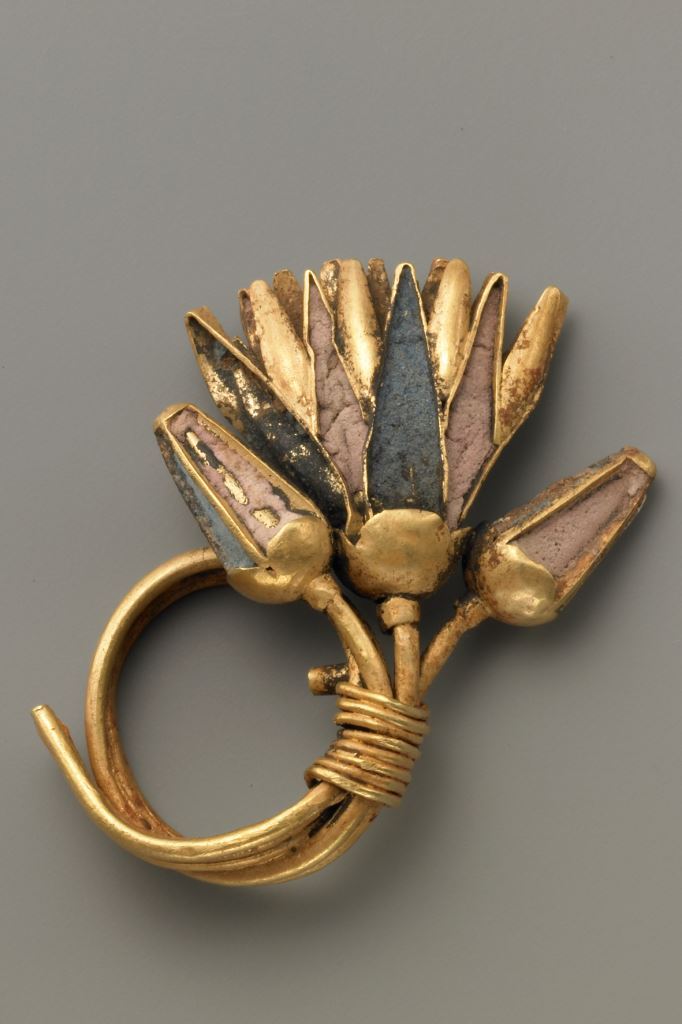
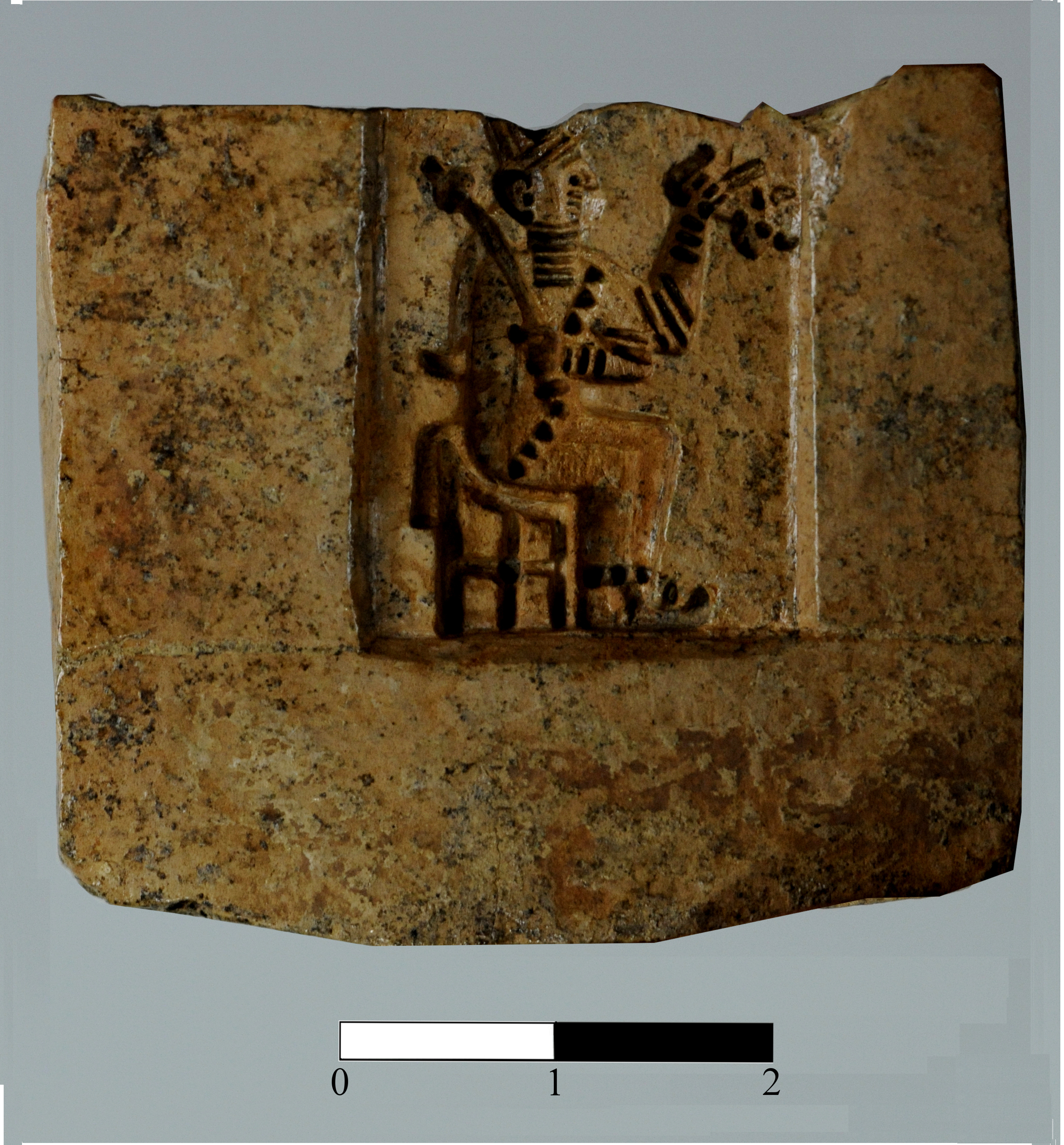
In addition to architectural remains, the Ortaköy–Şapinuva excavations have yielded important and often rare small finds made of metal, ceramic, stone and other materials.
As of 2021, a new phase of excavations at Şapinuva began under the direction of Dr. Önder İpek, a faculty member of our Department.