11.2.1 Public access to buildings
The Şapinuva-Ortaköy Archaeological Site Project, implemented by Hitit University, aims to preserve cultural heritage and ensure its transmission to future generations. It raises public awareness by providing participatory learning environments for children through Children's University activities. In this context, the project contributes to the preservation of cultural values and the strengthening of sustainable communities.
11.2.2 Public access to libraries
In line with our university’s commitment to responsible resource management and equitable access, individuals with disabilities are granted free access to the university library’s facilities and resources. For all other users, library access for research purposes may be provided upon obtaining the required official permissions.
11.2.3 Public use of museums
As part of the "Hittite Art Workshop" club activities, Sinem Yörenç, a student in the Department of Combined Arts at our University's Graduate Education Institute, gave a live performance titled "Painting and Sound." In the event, which was attended by our undergraduate and graduate students, as well as teachers and students from Bahçelievler Teacher Salim Akaydın Middle School, Sinem Yörenç shared her evolving artistic experience amidst the evolving tones of music. Interpreting the relationship between music and painting in action painting, which develops through spontaneous movements within the Abstract Expressionist style, our student incorporated the dynamic effects of color, splashes of color, and textures intensified by the material in her work, created with freehand stains.

11.2.4 Public access to green spaces
Public access to our university facilities is provided only during designated open-to-public events, such as the Science and Technology Festival, where community members are welcomed to participate in educational and social activities.
11.2.5 Contribution to art and heritage
Hitit University Fine Arts, Design and Architecture Faculty Music Department Choir gave a special concert at the State Theatre Hall within the scope of the 100th anniversary of the Republic, and various similar events are organized by our University.


11.2.6 Recording and protection of cultural heritage
Hitit University carries out projects aimed at recording and preserving intangible cultural heritage. Within this framework, the International Abdal Ata Symposium serves as an academic platform that documents and promotes the local folklore, beliefs, music, language, and traditional knowledge that shape the region’s cultural identity. Through such initiatives, the university contributes to the preservation and transmission of the cultural heritage of displaced and local communities to future generations.
https://abdalata2024.hitit.edu.tr/en/
11.4.1 Sustainable implementation goals
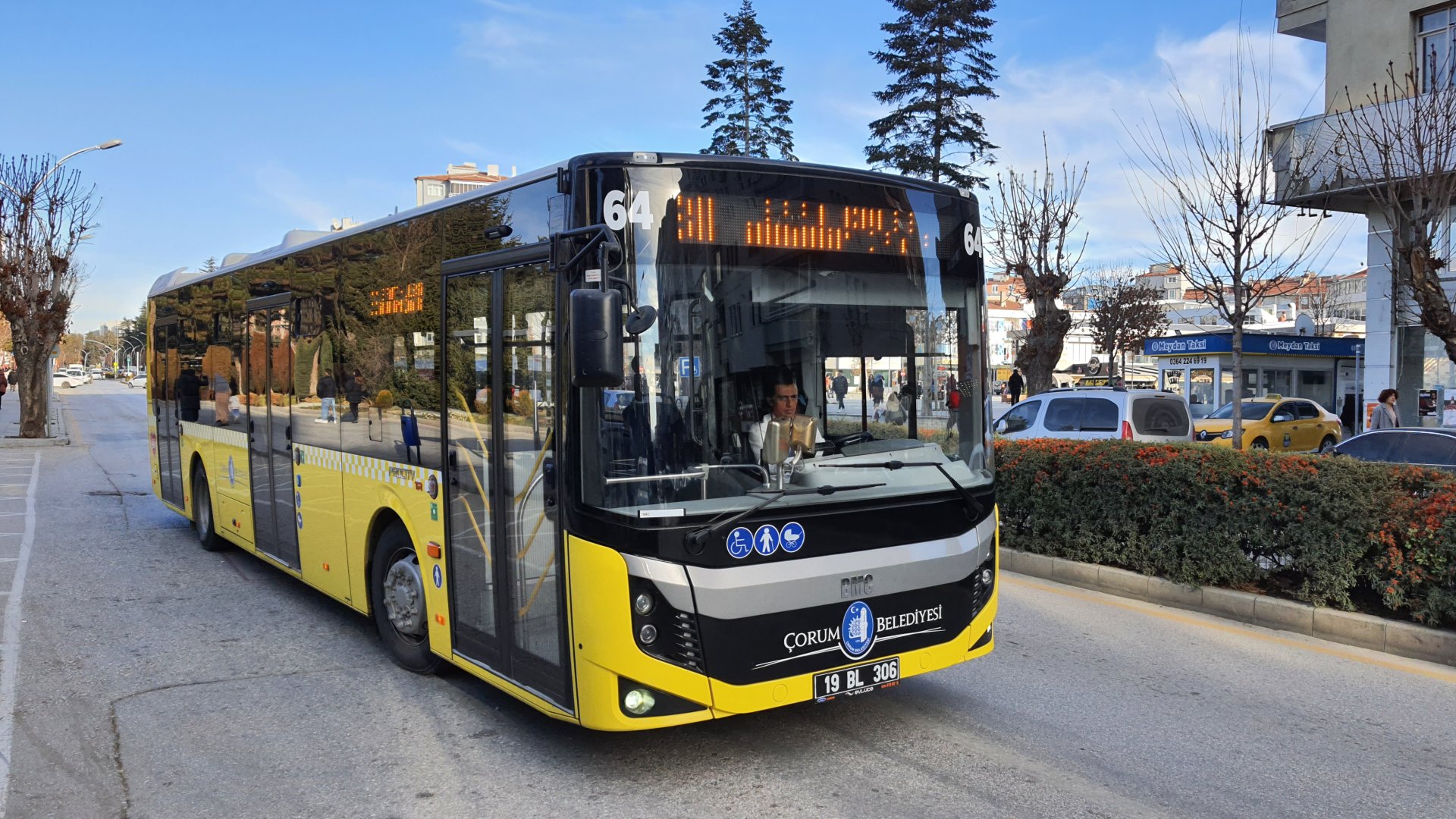
Transportation to the campus is provided by the Çorum Municipality. A total of 64 bus trips are available on weekdays.
11.4.2 Promoting sustainable transportation
Hitit University supports sustainable transportation by creating bicycle paths and accessible transportation infrastructure on its North Campus. These practices increase mobility on campus by promoting environmentally friendly transportation options and contribute to the sustainable development of communities.

11.4.4 Affordable housing for employees
Our university's guesthouse provides a safe and affordable place for students and staff to stay until they find permanent accommodation, thus contributing to accessible and sustainable community opportunities.


11.4.5 Affordable housing for students
Our university's guesthouse provides a safe and affordable place for students and staff to stay until they find permanent accommodation, thus contributing to accessible and sustainable community opportunities. In addition, dormitories affiliated with the Credit and Dormitories Institution under the Ministry of Youth and Sports have also been established to meet the accomodation needs of our students. Student accommodation services are provided in cooperation with the Republic of Türkiye Ministry of Youth and Sports – Credit and Dormitories Institution (Gençlik ve Spor Bakanlığı Kredi ve Yurtlar Kurumu), supporting equitable access to higher education and student well-being. A total of 5,026 students are currently accommodated in the institution’s dormitories, including 1,802 male and 3,224 female students. This accommodation capacity contributes to reducing financial and social barriers for students and ensures that they can continue their education in a safe, accessible, and inclusive living environment.
11.4.6 Priority for pedestrians on campus
Our university implements a pedestrian-prioritized traffic directive across the campus to ensure safe, accessible, and sustainable mobility for all members of the university community.
In addition to vehicle lanes, the university has separate paths for pedestrians and bicycles. Thanks to the integrated urban bicycle network system called ÇORBİS, bicycles provide access to the campus and the city center via a subscription system (payment based on usage time). Mobility within the campus is ensured safely thanks to separate pedestrian and bicycle paths. Crosswalks have also been added to vehicle lanes.


11.4.7 Cooperation with local authorities for planning and development
Our university collaborates with local authorities to address issues related to regional planning, sustainable urban development, and improving quality of life. Within this framework, initiatives that support access to affordable housing are implemented. In coordination with local governments, the Governorship of Çorum, and relevant public institutions, the university carries out joint projects that promote urban sustainability and improve the living conditions of its employees. In addition, when vacancies occur in housing units belonging to other public institutions, university personnel are granted the right to use these residences. This practice strengthens inter-institutional cooperation and facilitates affordable housing opportunities for university staff.
11.4.8
In addition, in our building designs that are still in the project phase, TS EN IEC 61215-1 Terrestrial photovoltaic (PV) modules - Design adequacy and type approval and TS EN IEC 61730-1 Photovoltaic (PV) module safety adequacy standards have been followed.
11.4.9 Construction in former industrial areas (brownfield)
The buildings of the Faculty of Humanities and Social Sciences and the Faculty of Economics and Administrative Sciences were constructed as high schools by the Ministry of National Education and were later converted into university buildings.